Jim Corbett National Park holds the distinction of being India’s first Tiger Reserve, making it not only one of the oldest but also one of the largest national parks in the country. The park provides a thriving habitat for iconic wildlife such as the Royal Bengal Tiger, Asiatic Elephant, and numerous other species. With a well-maintained ecosystem, Corbett is home to around 164 tigers and over 600 elephants. Recent surveys highlight that the park boasts the highest tiger density in India, with 20 tigers per 100 square kilometres.
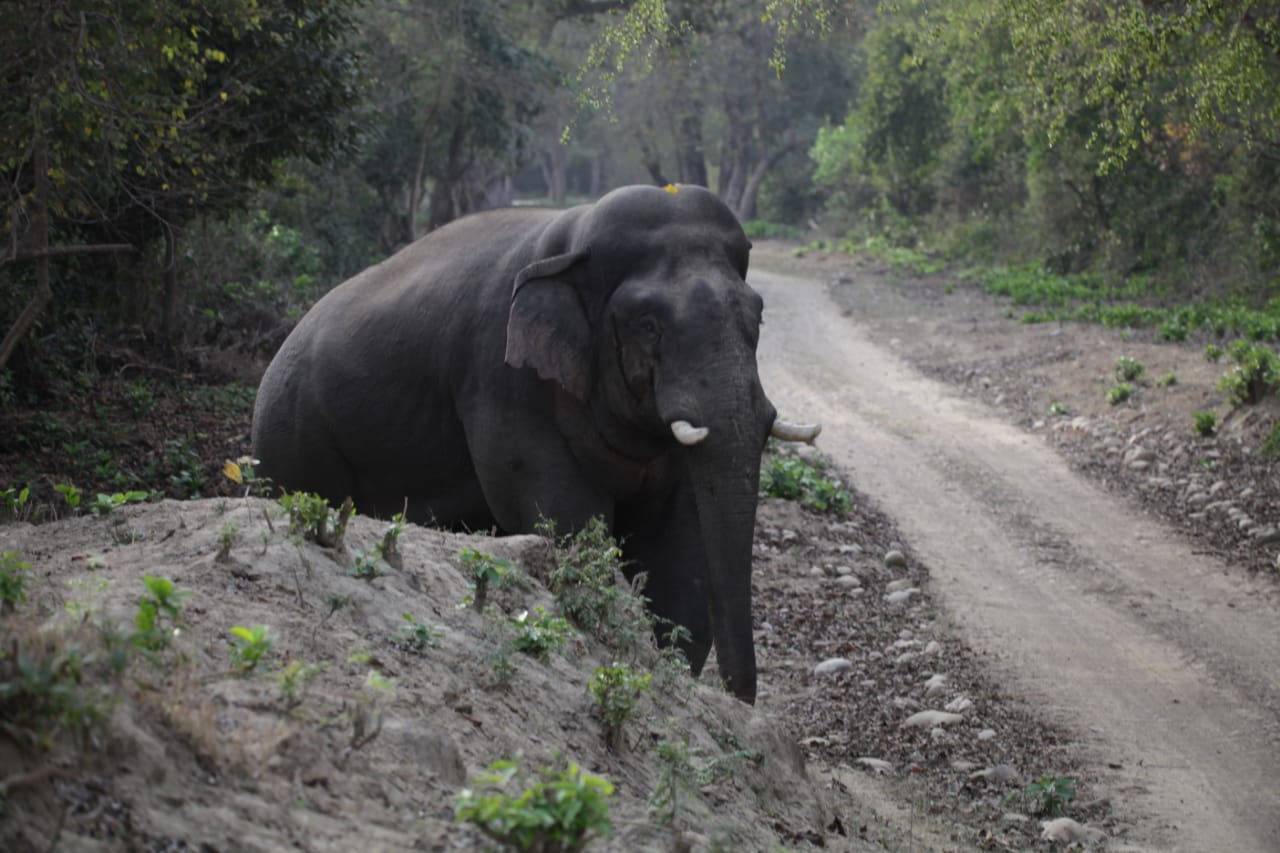
Beyond the Royal Bengal Tiger, Corbett shelters a significant population of the endangered Asiatic Elephant along with other rare and critically threatened species like the Gharial. Mammals such as the Asiatic Black Bear, Hog Deer, Barking Deer, Sambar, Sloth Bear, Yellow-throated Marten, and Otters are also found here. The park supports a rich variety of birdlife and aquatic species, with around 600 species recorded, including the Great Pied Hornbill, White-backed Vulture, Hodgson's Bushchat, Orange-breasted Green Pigeon, Pallas’s Fish Eagle, Golden Oriole, Tawny Fish Owl, Indian Pitta, and Scarlet Minivet. Reptilian species such as the critically endangered Gharial, Mugger Crocodile, and King Cobra also inhabit the park, adding to its remarkable biodiversity.
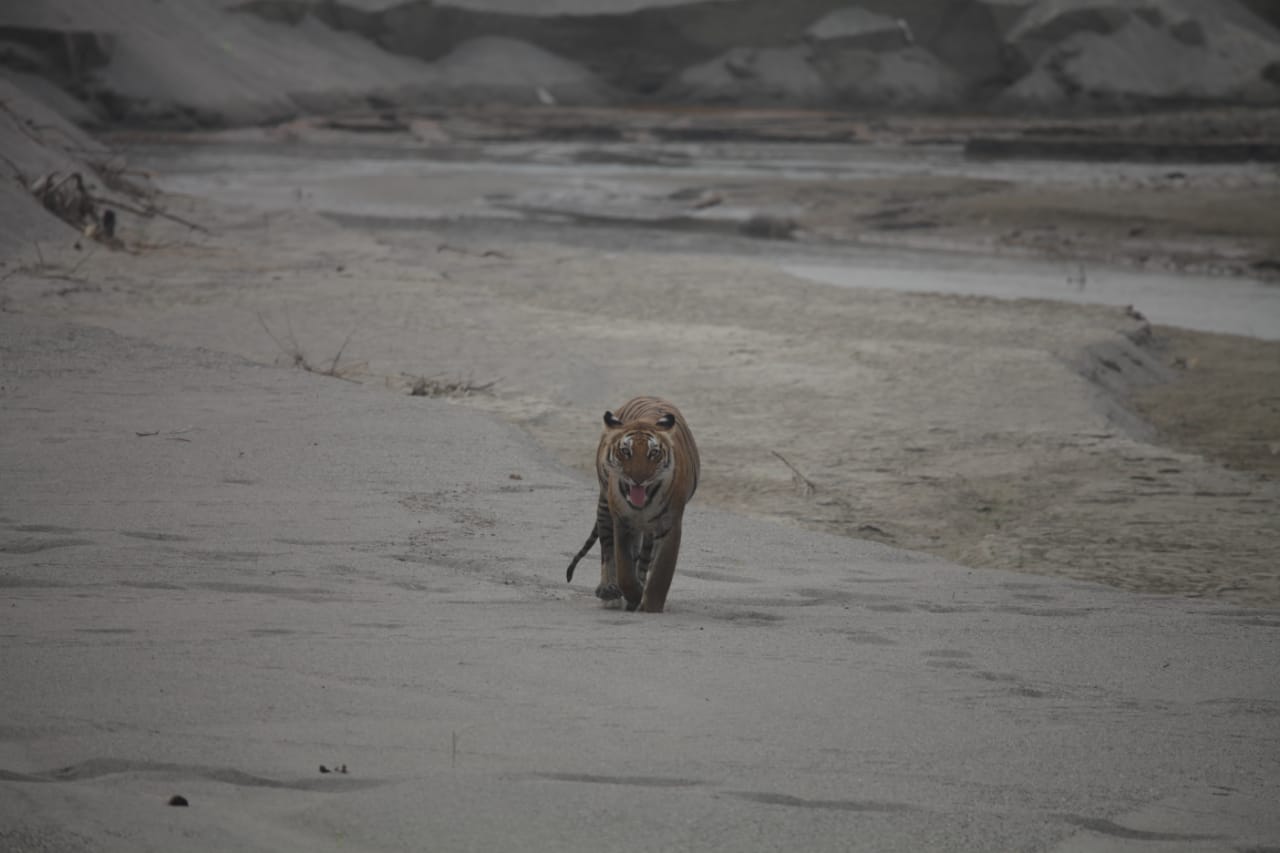
The Tiger is the flagship species of Jim Corbett National Park and one of India’s most revered wild animals. This magnificent creature represents the strength and majesty of nature and holds a significant place in Indian culture, mythology, and folklore. Often regarded as the ruler of the forest, the tiger commands respect and admiration across generations.