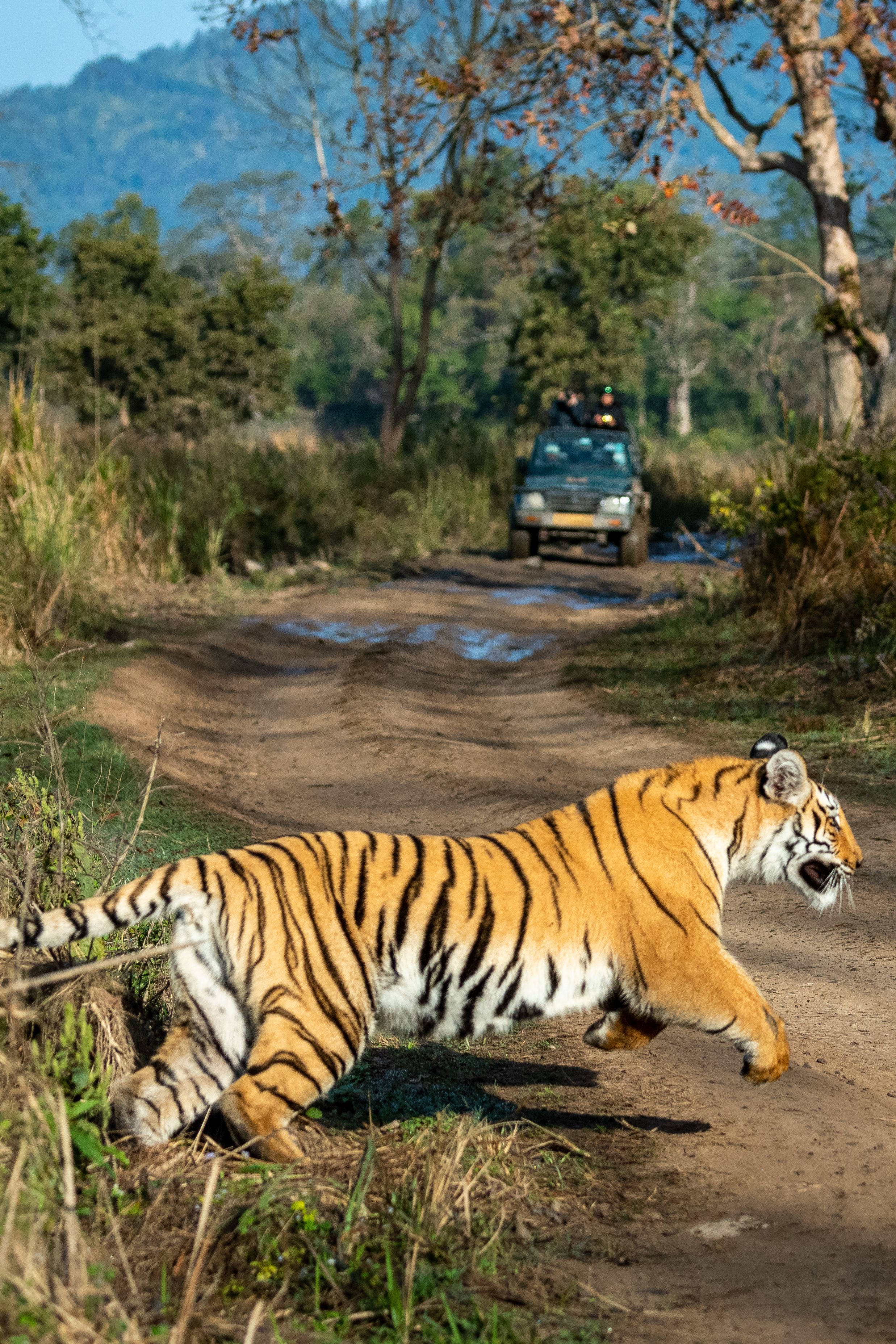
The legend of Edward James Corbett still lives on in the memories of the people of Garhwal and Kumaon. Across the world, Jim Corbett is admired for his remarkable writings and is remembered as a famous hunter who later devoted himself to protecting people from deadly man-eaters. His adventures have been highlighted in four biographies and three films, which portray the vivid stories he shared in his books.
Edward James Corbett was born on 25th July 1875 in Nainital, Uttarakhand, to a family of English heritage. Much of his early life was spent wandering the forests around him, which shaped his love for nature and wildlife. Corbett spent a significant part of his life at Gurney House in Nainital with his family—his mother, Mary Jane Corbett, and his sister, Margaret Winfred Corbett, lovingly known as Maggie. His father, who served as the postmaster of Nainital, passed away when Jim was only four years old. From then on, the burden of raising twelve children fell on his mother, who managed on a limited widow’s pension. At a young age, Jim stepped up to help his family and took a job with the railways.

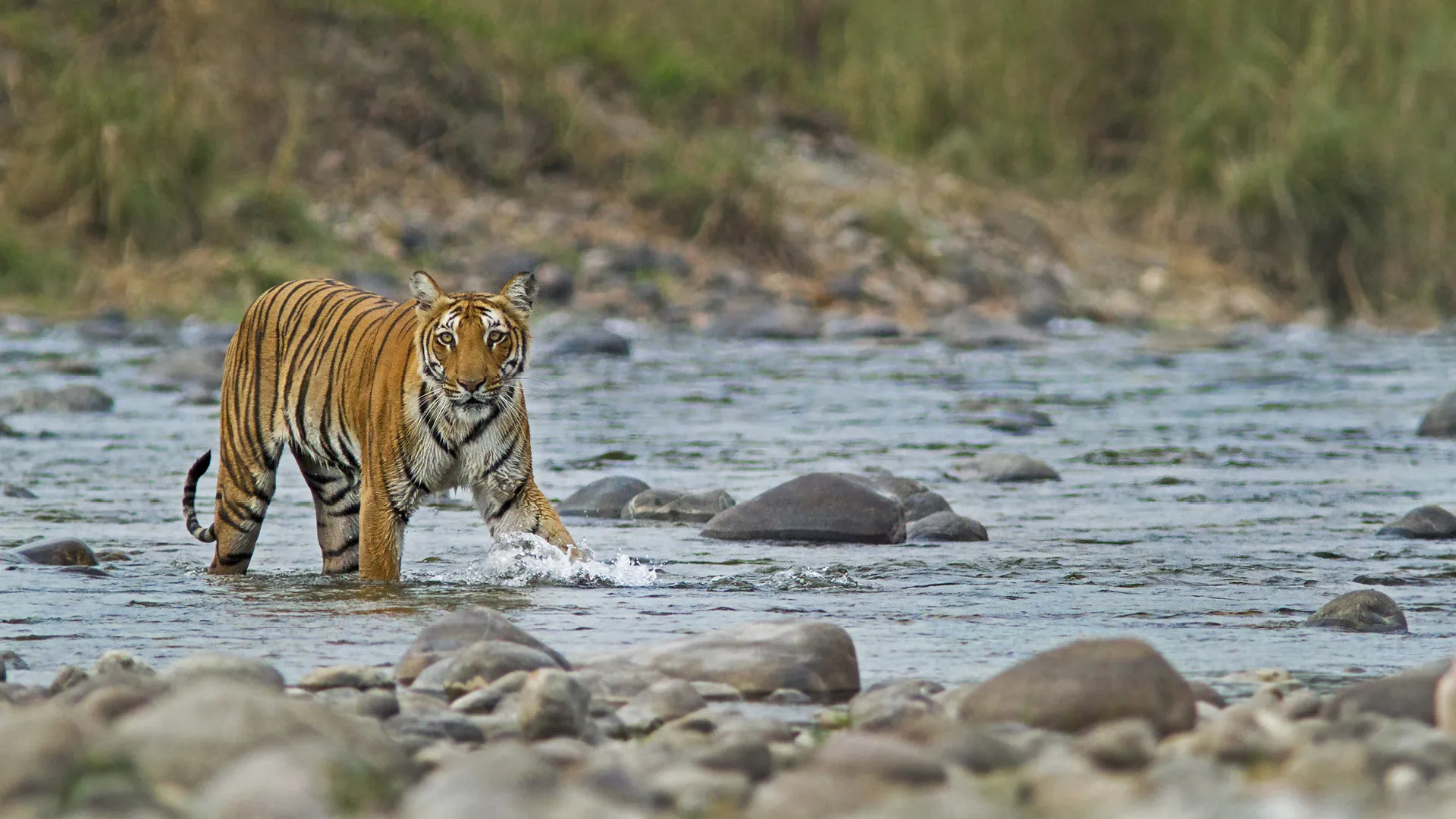
With time, he became not only an exceptional hunter but also a respected naturalist. Known for his sharp senses, agility, and stamina, Corbett had an extraordinary ability to read the jungle and follow the movements of animals. Over his lifetime, he brought down 19 tigers and 14 leopards, most of them infamous man-eaters. Later, he became one of India’s earliest conservationists and played an instrumental role in establishing what is now the Jim Corbett National Park. Remaining a bachelor throughout his life, he stayed deeply committed to wildlife protection and worked actively with several organizations to preserve the natural environment.